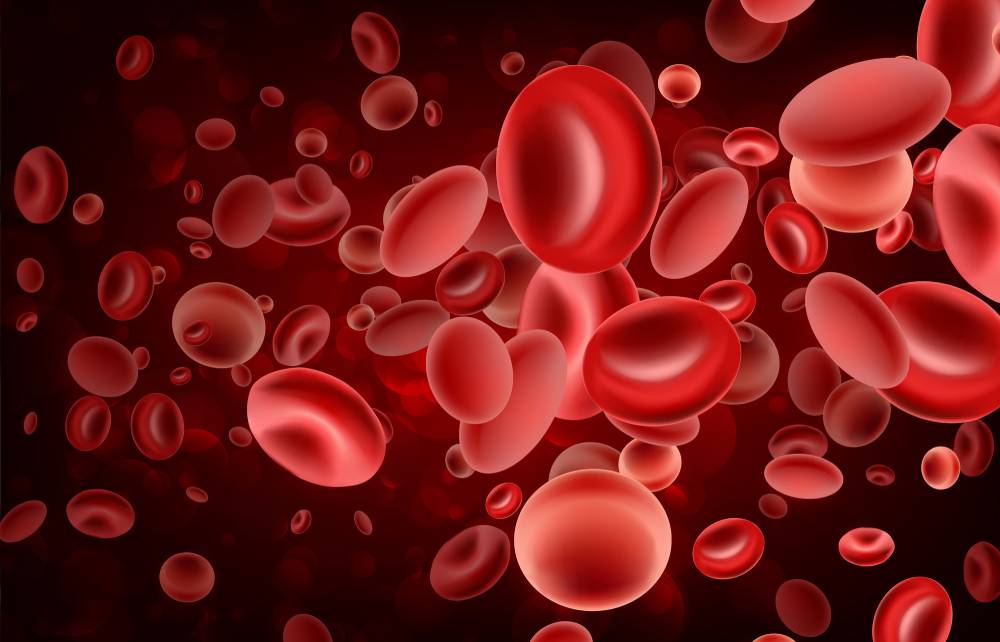
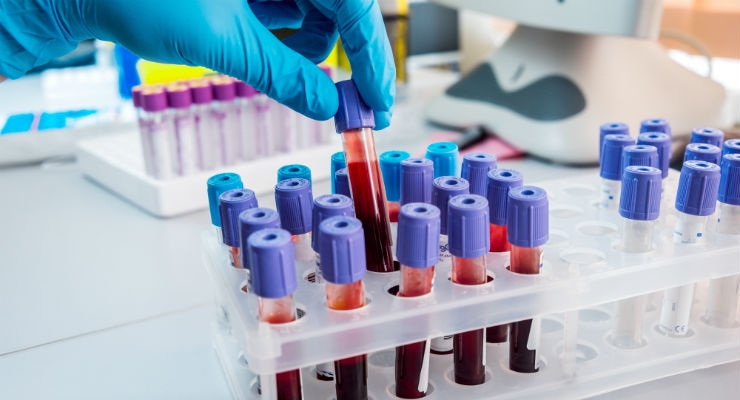
Hematology is the branch of medicine concerned with the study of the cause, prognosis, treatment, and prevention of diseases related to blood.
It involves treating diseases that affect the production of blood and its components, such as blood cells, hemoglobin, blood proteins, bone marrow, platelets, blood vessels, spleen, and the mechanism of coagulation. Such diseases might include hemophilia, sickle cell anemia, blood clots (thrombus), other bleeding disorders, and blood cancers such as leukemia, multiple myeloma, and lymphoma.
Chemical Pathology
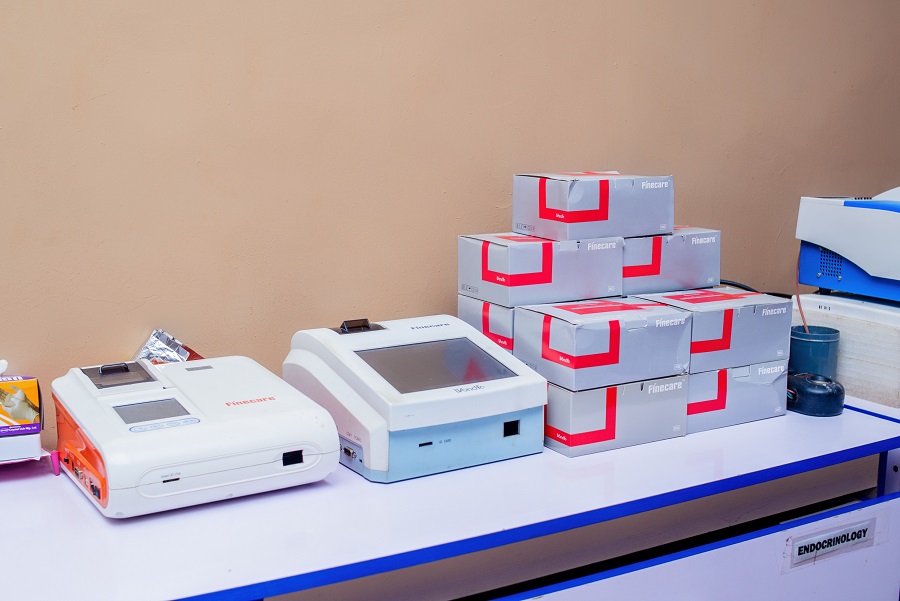
Chemical Pathology, clinical biochemistry or medical biochemistry is a division in medical laboratory sciences focusing on qualitative tests of important compounds, referred to as analytes or markers, in bodily fluids and tissues using analytical techniques and specialized instruments.
This interdisciplinary field includes knowledge from medicine, biology, chemistry, biomedical engineering, informatics, and an applied form of biochemistry.
Microbiology
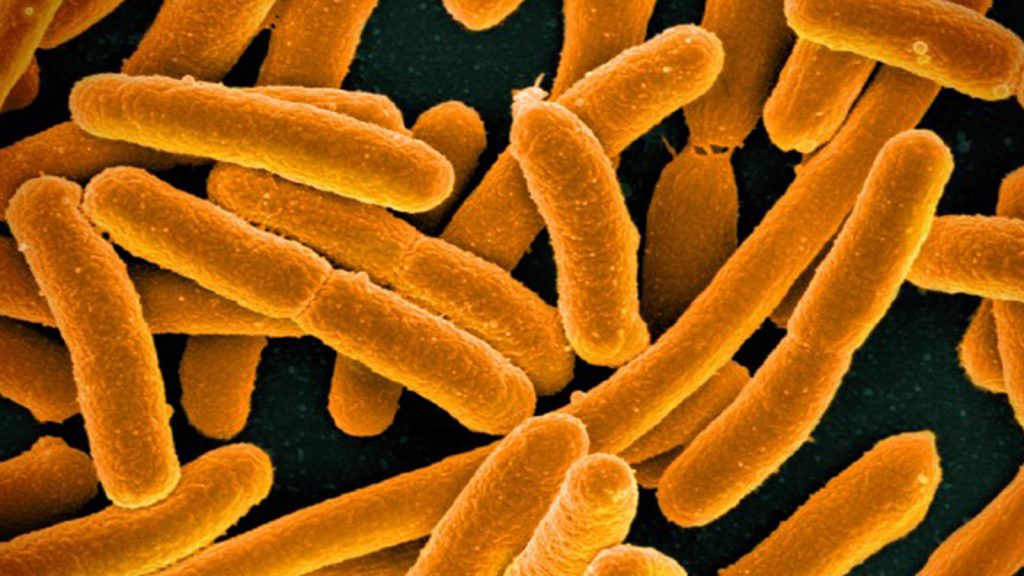
Microbiology is the scientific study of microorganisms, those being of unicellular (single-celled), multicellular (consisting of complex cells), or acellular (lacking cells).
Microbiology encompasses numerous sub-disciplines including virology, bacteriology, protistology, mycology, immunology, and parasitology.
Immunology
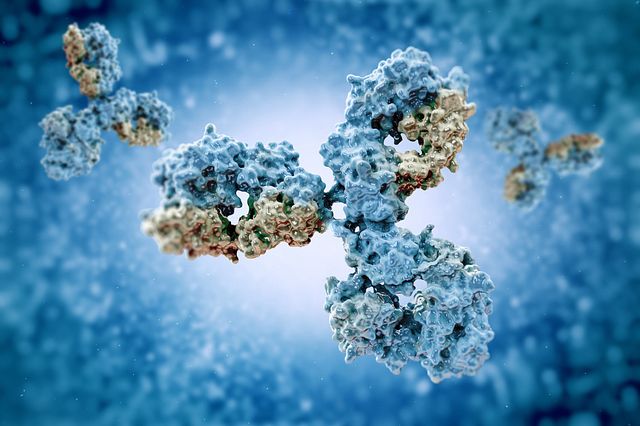
Immunology is a branch of biology and medicine that covers the study of immune systems in all organisms.
Immunology charts, measures, and contextualizes the physiological functioning of the immune system in states of both health and diseases; malfunctions of the immune system in immunological disorders (such as autoimmune diseases, hypersensitivities, immune deficiency, and transplant rejection; and the physical, chemical, and physiological characteristics of the components of the immune system in vitro, in situ, and in vivo.
DNA Testing
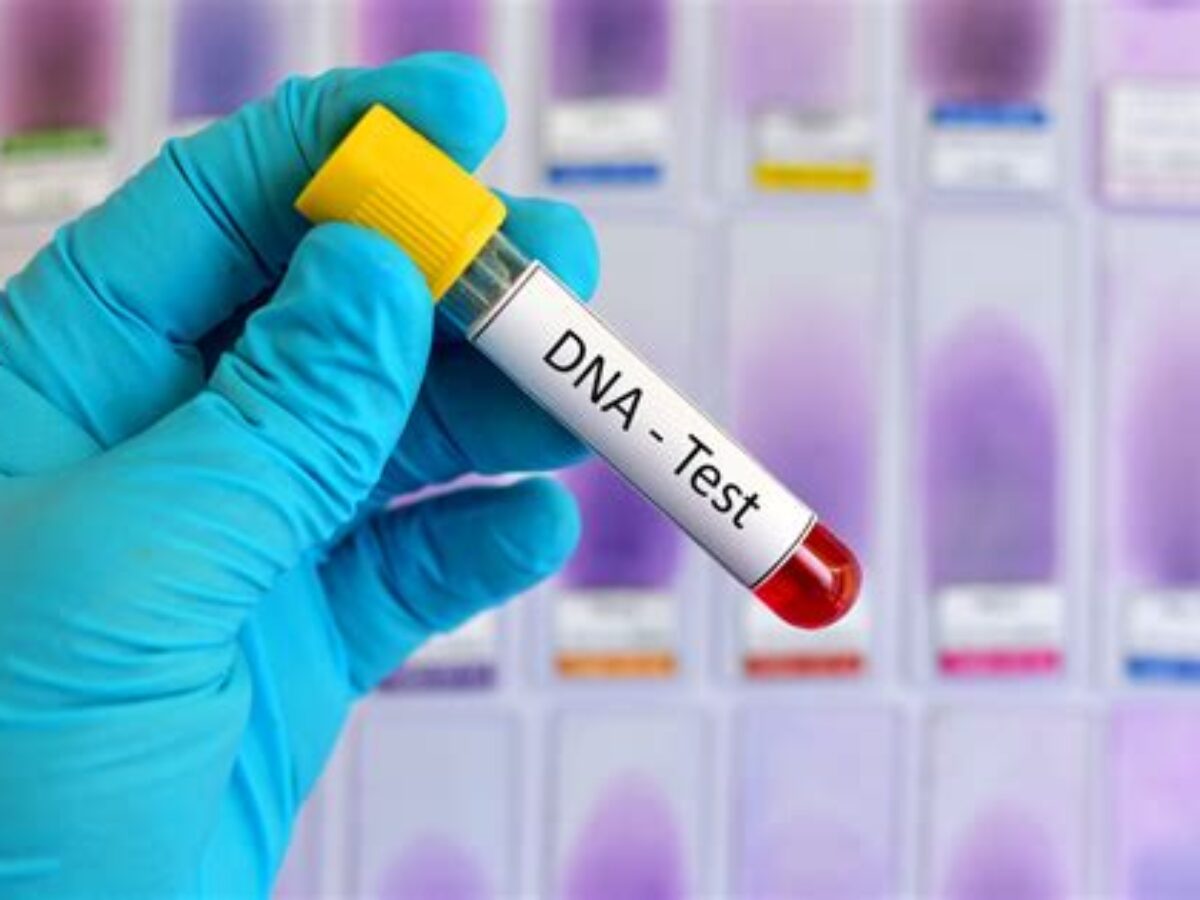
DNA testing, is used to identify changes in DNA sequence or chromosome structure. Genetic testing can also include measuring the results of genetic changes, such as RNA analysis as an output of gene expression, or through biochemical analysis to measure specific protein output.
Genetic testing can also be used to determine biological relatives, such as a child’s biological parentage (genetic mother and father) through DNA paternity testing, or be used to broadly predict an individual’s ancestry.